Cremation vs. Traditional Burial: What You Should Know
When you're faced with the decision of choosing between cremation and burial for yourself or a loved one, it can feel overwhelming. These aren't just logistical choices—they're deeply personal decisions tied to your values, beliefs, and what feels right for your family. The good news? There's no universally "correct" answer. What matters is understanding your options so you can make the choice that's right for you.
Let's break down the differences between cremation and burial, talk about cost, explore environmental considerations, and help you think through which funeral service option might work best for your situation.
Understanding the Basics
Traditional Burial
Traditional burial is the funeral service option most people grew up seeing. It typically includes a formal funeral service where the deceased is present in a casket, followed by a graveside committal where the casket is lowered into a burial plot. The body is then interred (buried) in a cemetery.
This service usually involves:
- Embalming and preparation of the body
- Viewing and visitation hours
- A formal funeral service (often held at a church, funeral home, or cemetery)
- A graveside service
- A casket, cemetery plot, headstone or monument, and vault (in most cases)
Cremation
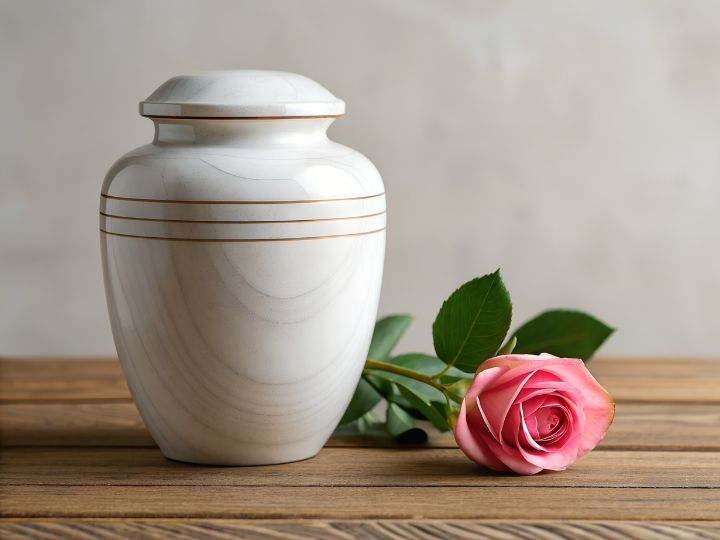
Cremation is a process where the deceased's body is placed in a crematory chamber and exposed to extreme heat, reducing the body to ashes and bone fragments. These remains, called "cremains," are then placed in an urn of your choosing.
Cremation can be part of several different funeral service options:
- A memorial service held after cremation (with or without the ashes present)
- A celebration of life that reflects the person's personality and interests
- A simple, private gathering for immediate family
- A traditional funeral service followed by cremation instead of burial
- Direct cremation, where the body goes directly to the crematory with minimal ceremony
The flexibility of cremation means you have numerous options for how to honor and remember your loved one.
The Cost Comparison
Let's talk about money, because it matters. Cost is often a significant factor in this decision, and it's important to understand where your dollars are going.
Traditional Burial Costs
A traditional burial typically runs between $7,000 and $12,000 or more, depending on your location and choices. Here's where that money goes:
- Casket: $1,000–$5,000+ (prices vary widely)
- Embalming and preparation: $500–$1,500
- Funeral service and facilities: $1,000–$2,500
- Cemetery plot: $500–$3,000+ (varies significantly by location)
- Vault or grave liner: $500–$1,500
- Headstone or monument: $500–$3,000+
- Grave opening and closing: $300–$1,000
- Flowers, music, and other services: $500–$2,000+
As you can see, expenses add up quickly. And these are ongoing—you'll also have perpetual care fees at the cemetery, and eventually you may want to maintain or update your headstone.
Cremation Costs
Cremation generally costs between $1,500 and $4,000, depending on what services you choose to include. Here's a typical breakdown:
- Cremation service: $800–$2,000
- Urn: $50–$1,000+ (depending on style and material)
- Memorial service: $500–$2,000 (optional; can be very simple or more elaborate)
- Death certificates and permits: $200–$500
The significant difference? There's no cemetery plot, no expensive casket requirement, no vault, and no ongoing cemetery maintenance fees. If you choose direct cremation with a simple gathering afterward, you could have costs on the lower end of that range.
Bottom line: Cremation is typically 50–70% less expensive than traditional burial, making it an attractive option for families concerned about funeral costs.
Environmental Considerations
If environmental impact is important to you or your family, it's worth understanding how both options affect the earth.
Environmental Impact of Burial
Traditional burial does have environmental considerations:
- Land use: Cemeteries occupy significant land space that could be used for other purposes. As populations grow, cemetery space becomes increasingly limited and valuable.
- Chemicals: Embalming fluids contain formaldehyde and other chemicals that can potentially leach into groundwater, though modern cemetery practices aim to minimize this risk.
- Resource consumption: Caskets require materials (wood, metal, or other resources), vaults use concrete and steel, and headstones involve quarrying and processing stone.
- Long-term maintenance: Cemetery upkeep requires ongoing resources and energy.
That said, natural or "green" burial options are becoming more available. These involve:
- No embalming or using eco-friendly embalming alternatives
- Biodegradable caskets or shrouds made from natural materials
- Burial in designated natural burial grounds that don't use vaults
- Minimal headstones or natural markers
Green burial significantly reduces the environmental footprint of traditional burial.
Environmental Impact of Cremation
Cremation has its own environmental considerations:
- Energy use: The cremation process requires significant heat and energy, typically from natural gas or propane.
- Emissions: Cremation releases carbon dioxide and other gases into the atmosphere, though the amount is relatively small compared to other human activities.
- No chemicals: Unlike embalming, there are no chemical preservatives or toxins involved.
- Land preservation: Cremation doesn't require cemetery land, which means more land can be preserved or used for other purposes.
Modern crematoriums are increasingly installing pollution control equipment to reduce emissions, and some are exploring alternative fuels and technologies.
The takeaway: Neither option is perfectly "green," but cremation generally uses less land and doesn't involve chemical preservation. If environmental impact is a priority, discuss green burial options or cremation with your funeral home.
Considering Your Funeral Service Options
Here's where it gets interesting: cremation and burial aren't just two separate choices. They're part of a larger picture of how you want to be remembered and what kind of service feels right.
Burial-Focused Services
Traditional burial works well if you:
- Want a formal, structured service that honors long-standing traditions
- Value having a specific place where loved ones can visit and pay respects
- Prefer a service with clear rituals and ceremonies
- Have strong ties to your faith community and want a religious funeral service
- Feel that a physical grave is important for your family's grieving process
Cremation-Focused Services
Cremation offers flexibility and works well if you:
- Want lower costs without sacrificing meaning
- Prefer a more personalized, non-traditional celebration of life
- Don't feel the need for a physical grave site
- Want options for where your ashes go (scattered, kept by family, buried, or placed in a columbarium)
- Prefer a simpler, more intimate gathering over a formal funeral
- Are concerned about environmental impact or land preservation
Hybrid Approaches
Don't forget—you can also combine elements. For example:
- A traditional funeral service followed by cremation (giving family time to gather and remember before cremation)
- A memorial service several weeks after cremation (allowing time for out-of-town family to arrange travel)
- Cremation with the ashes buried in a cemetery plot (honoring both traditions)
- Cremation with the ashes scattered at a meaningful location, plus a formal memorial service elsewhere
Questions to Ask Yourself
When you're trying to decide between cremation and burial, here are some helpful questions:
- What feels right to you spiritually or philosophically? Does your faith have teachings about burial vs. cremation?
- What's important to your family? Do loved ones want a specific place to visit, or is a memorial service more meaningful?
- What are your budget constraints? How much can your family reasonably afford?
- What's your environmental priority? Does this factor into your decision?
- What kind of service reflects your personality? A formal funeral, an intimate gathering, or something completely different?
- Where do you want to be? Do you want to remain in one place, or would you like flexibility (like ashes scattered in a meaningful location)?
Making the Right Choice for Your Family
There's no wrong answer here—only the answer that's right for you. Some families have strong traditions and beliefs about burial. Others feel cremation aligns better with their values and practicality. Many families are finding that cremation offers the flexibility and affordability they need while still allowing for meaningful ways to honor and remember their loved ones.
The most important thing is to think through your options, consider what matters most to you, and make a decision that brings peace of mind.
We're Here to Help You Explore Your Options
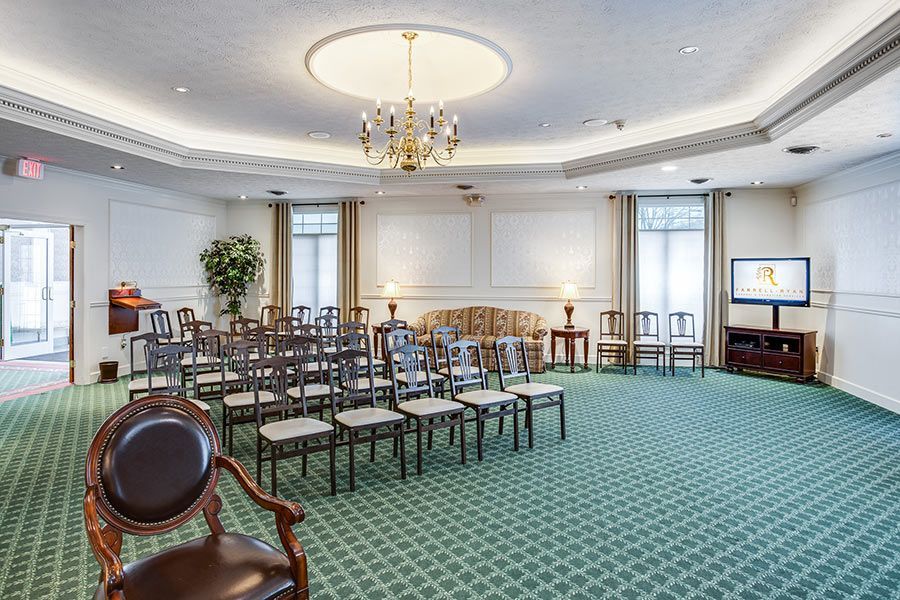
At Farrell-Ryan Funeral & Cremation Services, we offer both cremation and burial services, and we're experienced in helping families navigate this decision. We understand that this choice is deeply personal, and we're here to answer your questions without judgment or pressure.
Whether you're pre-planning for yourself or making arrangements for a loved one, we can walk you through your options, explain costs clearly, discuss environmental considerations if that matters to you, and help you design a funeral service that truly reflects what's important to your family.
If you'd like to learn more about cremation services, burial options, or how we can help your family make the right choice, we're just a phone call, email, or visit away. We're available 24/7 to serve the families of Monroe County with the care and respect you deserve.